Just How Assisted Living Can Enhance Safety, Comfort, and Lifestyle
Business Name: BeeHive Homes of Albuquerque West
Address: 6000 Whiteman Dr NW, Albuquerque, NM 87120
Phone: (505) 302-1919
BeeHive Homes of Albuquerque West
At BeeHive Homes of Albuquerque West, New Mexico, we provide exceptional assisted living in a warm, home-like environment. Residents enjoy private, spacious rooms with ADA-approved bathrooms, delicious home-cooked meals served three times daily, and the benefits of a small, close-knit community. Our compassionate staff offers personalized care and assistance with daily activities, always prioritizing dignity and well-being. With engaging activities that promote health and happiness, BeeHive Homes creates a place where residents truly feel at home. Schedule a tour today and experience the difference.
6000 Whiteman Dr NW, Albuquerque, NM 87120
Business Hours
Choosing the ideal level of support for an older adult is seldom a tidy, easy decision. Family members usually reach the concern after a couple of warning signs: a missed out on medicine, a fall in the kitchen, a forgotten costs, a fridge loaded with expired food, or the uneasy feeling that a person that made use of to be consistent is currently taking dangers just to make it through the day. Those minutes can really feel small alone. Taken together, they usually indicate a larger truth. Living alone may no more be the most safe or most comfy option.
That is where assisted living frequently enters the discussion. For several older grownups, it uses a functional middle ground in between living individually and moving into a nursing center. It offers aid where it is required, while maintaining as much autonomy as feasible. The toughest assisted living communities comprehend that older grownups are not wanting to surrender their regimens or their identity. They are searching for assistance that makes regular life much easier, much safer, and BeeHive Homes of Albuquerque West assisted living in albuquerque new mexico more manageable.

A great neighborhood can change the rhythm of day-to-day live in manner ins which are easy to ignore until they are experienced firsthand. The ideal atmosphere reduces stress and anxiety. It gets rid of rubbing from everyday tasks. It makes it much easier for people to move, consume well, stay attached, and obtain assistance before a small trouble comes to be a crisis. That combination has actual value, particularly for family members looking for senior care near me and trying to contrast options without losing sight of what matters most.
Safety is not only regarding emergencies
When people listen to the word safety, they frequently think about the remarkable minutes, a loss, an abrupt illness, or an urgent journey to the healthcare facility. Those are important, certainly, but in assisted living the daily safeguards matter equally as much. A well-run community constructs layers of security right into common life.
One of the most evident advantages is the reduction of ecological hazards. Private homes, specifically older houses, can end up being hard to browse in time. Stairways, loose carpets, inadequate lighting, narrow washrooms, and cluttered corridors all enhance risk. Assisted living neighborhoods are usually made with these worries in mind. Corridors are broader. Restrooms are easier to gain access to. Order bars, hand rails, and emergency phone call systems are extra typical. Also details such as non-slip floor covering and brighter lights can make a significant distinction for a person with minimal balance or declining vision.
Supervision is another major variable. Many older adults do not require continuous medical oversight, but they do take advantage of the knowledge that somebody neighbors. If a resident does not stand for a dish, staff can check in. If someone appears puzzled or unusually exhausted, that adjustment can be kept in mind early. These small treatments frequently protect against larger troubles. I have seen households soothed not since their loved one was all of a sudden problem-free, but due to the fact that there was lastly a system in place to observe what they might no longer keep track of from a distance.
Medication monitoring deserves unique focus. Missed dosages and unintended dual dosing are among the most usual and most underappreciated dangers in senior care. An older grownup that takes care of multiple prescriptions might be handling different routines, fill up timing, and side effects. In assisted living, personnel can assist ensure medications are taken appropriately and in a timely manner. That assistance does more than enhance adherence. It decreases the odds of preventable complications that can bring about confusion, wooziness, dehydration, or an avoidable hospital visit.
There is likewise a quieter but really genuine safety advantage in the social framework of assisted living. Seclusion can make emergencies much more harmful because no person notifications the signs early. A resident who withdraws, avoids dishes, or becomes unstable may be indicating a problem long prior to a member of the family reads about it. In a linked area, those signals are more likely to surface area quickly.
Comfort is built from a hundred small details
Comfort in senior living is not nearly soft furniture or enjoyable decor, though those help. It comes from an everyday experience that really feels predictable, convenient, and considerate. That is one reason many households start exploring assisted living after a stretch of aggravation at home. They are not always chasing high-end. They are going after ease.
At home, the day can come to be a long chain of duties. Food preparation, cleansing, laundry, showering, and transportation all accumulate. For an older grownup, that can develop into a consistent drainpipe on power. Also when the person is identified to remain independent, the initiative required can crowd out the components of life that utilized to bring satisfaction. Assisted living removes a part of that burden. Meals are prepared. House cleaning is handled. Washing support might be readily available. Transportation to appointments or getaways is typically set up. That change gives homeowners back a few of their attention and stamina.
The distinction can be remarkably psychological. Many individuals assume convenience indicates being pampered, but also for older grownups it typically implies not having to negotiate every task via fatigue or concern. A resident who no longer has to climb a cellar staircase to do washing may rest much better. A person who does not need to bother with preparing a complete supper every night might eat extra continually. A person that is relieved from the stress of preserving a home might find time for analysis, discussion, or a walk outside.
Comfort likewise relies on pacing. Great assisted living does not rush people with the day. It permits routines to settle. Locals can get up at an affordable hour, choose their meals, go to activities if they wish, and spend time alone when they need quiet. That equilibrium issues. Older adults do not wish to really feel handled like clients all day. They want to feel like themselves. The very best areas respect that distinction.
The psychological convenience of reduced family members tension is easy to undervalue also. Grown-up youngsters usually end up being caregivers prior to they understand they are doing it. They sign in constantly, run tasks, worry about nutrition, and attempt to keep up with visits. That can strain also close households. Assisted living can bring back some of the relationship by moving the functional worry to qualified staff. Visits end up being less about dilemma management and even more regarding actual connection.
Quality of life commonly improves when stress and anxiety goes down
Safety and comfort are important on their own, but the deeper concern is whether an individual's quality of life improves. Oftentimes, the response is yes, and the reason is simple. When people spend much less energy managing basic survival, they have extra power left for living.
Quality of life in later years is not an abstract principle. It shows up in small, visible ways. A resident who joins a publication club because it is hassle-free might begin talking with neighbors over coffee. A person that had stopped cooking for themselves might consume routine dishes once again and restore a bit of strength. A person that was progressively withdrawn in your home may start participating in music programs, art sessions, or team exercise courses simply due to the fact that the barrier to involvement is lower.
That social measurement issues more than numerous family members anticipate. Isolation is not simply unpleasant, it can become corrosive. It can make individuals less motivated, much less active, and more probable to let their wellness slide. Assisted living develops opportunities for casual call that are difficult to duplicate in the house. A corridor discussion, a shared meal, or a spontaneous team activity can be sufficient to give the day shape.
There is likewise an important dignity variable. When older adults fight with jobs that made use of to be very easy, they often hide the difficulty from household. They may miss bathrooms, put on the very same clothes continuously, or consume much less than they should because requesting assistance feels like defeat. Assisted living can lower that surprise battle. Help is built in, which means locals do not need to work out every demand as an individual failure.
That shift can be particularly purposeful for individuals recovering from disease, surgical procedure, or a loss. Throughout recovery, a home setting might appear familiar yet still be unwise. A person might not be ready to live completely separately, yet may not need hospital-level care either. Assisted living can act as a secure bridge during that period. In many cases, respite care loads the void briefly, offering both the resident and family members an opportunity to see what level of support is really needed before making a longer-term decision.
The finest fit relies on what sort of assistance is needed
Assisted living is not the very same point for every person, and that is worth mentioning clearly. Some residents require aid with bathing and dressing but stay socially energetic and mentally involved. Others are fairly independent literally but benefit from meal assistance, medicine reminders, or a much safer setting. Some communities offer individuals with light memory adjustments, while others are better fit to residents that do not need specialized dementia care.
That variation is why households ought to look beyond the tag. An area that sounds superb theoretically might not match the actual individual who will certainly live there. The structure can be eye-catching, and the advertising and marketing might be polished, but the everyday experience matters more than appearance. How does team communicate with residents? Are telephone call lights addressed quickly? Do homeowners seem unwinded or rushed? Are meals appealing and suited to different diet plans? Exist sufficient activities to make the setting feel to life rather than institutional?
In my experience, among one of the most helpful inquiries family members ask is whether the community seems to sustain independence or silently deteriorate it. A solid assisted living setup urges homeowners to do what they can while actioning in just where needed. That balance safeguards self-confidence. If every little thing is provided for someone, they can lose inspiration. If absolutely nothing is provided for them, they end up being overloaded. The ideal facility holds the middle.
Families usually search for assisted living near me when an abrupt event requires the problem, however closeness ought to be only one factor. Neighboring is practical, especially for routine visits and ongoing oversight. Still, the best fit must likewise take into consideration staffing, routines, cleanliness, dish top quality, activity choices, and exactly how the area takes care of changing care demands over time.

Families feel the distinction too
The benefits of assisted living do not stop with the resident. Relative often describe a type of mental release once they recognize their loved one remains in a safer place with consistent support. That does not erase worry, and it should not. However it can change constant alertness with a much more sustainable form of care.
Many family members invest months, occasionally years, in a cycle of fear. They contact the early morning to see to it somebody took medicines. They stop by after work to inspect the refrigerator. They attempt to monitor weight reduction, lapse of memory, bruises, or a stack of accounts payable. That degree of oversight is tiring, especially when brother or sisters disagree or reside in various cities. Assisted living does not get rid of household responsibility, yet it does redistribute the load.
It can likewise improve family members visits. Rather than using the entire visit to fold up washing, organize prescriptions, and fix safety concerns, relatives can take a seat for conversation. That transforms the emotional structure of the relationship. Adult youngsters typically uncover their parent in a fuller means, not just as someone they monitor. Grandchildren might really feel a lot more unwinded. The resident might feel less defensive. Oftentimes, the home becomes a location for link once again, as opposed to a website of chores and conflict.
There are harder truths also. Sometimes the individual moving right into assisted living is regreting. They may feel they have shed your home they developed, the neighbors they understood, or the freedom they secured. Those feelings are entitled to regard. Rushing past them usually backfires. What helps more is sincerity. The move is not regarding failure, it is about matching support to truth. That is a difficult adjustment, however usually an essential one.
A useful consider day-to-day live inside a community
The concept of assisted living can really feel abstract till you imagine a regular day. A resident could wake up, shower with aid if needed, and head to morning meal without worrying about cooking. There might be an early morning exercise course, a devotional group, or a visit from a physical therapist. Lunchtime could bring lunch with next-door neighbors, time for analysis, or a scheduled appointment with transport arranged by staff. In the afternoon, there might be a social activity, a nap, or a peaceful call with family members. Dinner is prepared, and later there may be tv, card video games, or a night walk in a safe courtyard.
That everyday rhythm is not extraordinary. That is the point. Stability is effective. For a person who has spent months really feeling separated or overwhelmed, ordinary predictability can feel like relief.
Of training course, not every resident grows in the exact same setting. Some people like team meals and arranged activities. Others want even more personal privacy and fewer organized occasions. Some communities have a vibrant, social energy that matches outgoing citizens well, while others are quieter and better for those that prefer reduced excitement. Choosing well means acknowledging personality as well as care needs. The incorrect environment can feel frustrating even if the solutions are practically adequate.
This is where touring several neighborhoods assists. A solitary visit hardly ever tells the whole story, however patterns emerge if you listen. Are homeowners involved, or just resting? Does team consult with warmth, or with practiced speed? Does the area feel tidy without sensation sterile? You can discover a great deal from the tone of a dining-room at lunch.
When assisted living is the ideal move
There is rarely a perfect minute to move. Typically there is just a factor when staying put has become riskier than changing course. That limit looks different in every family. Often it follows duplicated drops. Occasionally it follows a hospital discharge, when the person is as well weak to take care of alone. In some cases the issue is memory, and in some cases it is simply that everyday life has ended up being harder than it ought to be.
A step into assisted living is typically the best move when independence is still essential, but home is no longer working safely. It can additionally be the best action when family members are stretched slim and no more able to give the level of support required. In those cases, the question is not whether an older adult deserves help. The inquiry is what kind of aid will protect one of the most life, one of the most self-respect, and one of the most stability.
The transition might take time. Sorting items, picking furnishings, and getting used to a brand-new routine are emotionally filled tasks. Once settled, lots of locals experience a marked renovation in daily functioning. They eat far better. They drop less frequently. They have simpler accessibility to support. They see even more individuals. They invest less time stressing over what may go wrong.
That does not imply assisted living is the response for everyone. Some older adults continue to be safely independent with home support, family members help, or home health and wellness services. Others need a greater level of healthcare than assisted living can offer. The job is not to force the tag. It is to match the setting to the person honestly.
When that match is right, the change can be extensive. Safety improves since threats are monitored and minimized. Comfort boosts since day-to-day concerns are lightened. Lifestyle improves because the person has even more room to enjoy the day rather than handling it. For families contrasting senior living options, that combination is usually what makes assisted living more than simply a real estate decision. It comes to be a sensible way to sustain a much better life.
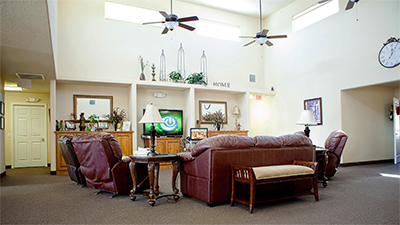
BeeHive Homes of Albuquerque West provides assisted living care
BeeHive Homes of Albuquerque West provides memory care services
BeeHive Homes of Albuquerque West provides respite care services
BeeHive Homes of Albuquerque West offers support from professional caregivers
BeeHive Homes of Albuquerque West offers private bedrooms with private bathrooms
BeeHive Homes of Albuquerque West provides medication monitoring and documentation
BeeHive Homes of Albuquerque West serves dietitian-approved meals
BeeHive Homes of Albuquerque West provides housekeeping services
BeeHive Homes of Albuquerque West provides laundry services
BeeHive Homes of Albuquerque West offers community dining and social engagement activities
BeeHive Homes of Albuquerque West features life enrichment activities
BeeHive Homes of Albuquerque West supports personal care assistance during meals and daily routines
BeeHive Homes of Albuquerque West promotes frequent physical and mental exercise opportunities
BeeHive Homes of Albuquerque West provides a home-like residential environment
BeeHive Homes of Albuquerque West creates customized care plans as residents’ needs change
BeeHive Homes of Albuquerque West assesses individual resident care needs
BeeHive Homes of Albuquerque West accepts private pay and long-term care insurance
BeeHive Homes of Albuquerque West assists qualified veterans with Aid and Attendance benefits
BeeHive Homes of Albuquerque West encourages meaningful resident-to-staff relationships
BeeHive Homes of Albuquerque West delivers compassionate, attentive senior care focused on dignity and comfort
BeeHive Homes of Albuquerque West has a phone number of (505) 302-1919
BeeHive Homes of Albuquerque West has an address of 6000 Whiteman Dr NW, Albuquerque, NM 87120
BeeHive Homes of Albuquerque West has a website https://beehivehomes.com/locations/albuquerque-west/
BeeHive Homes of Albuquerque West has Google Maps listing https://maps.app.goo.gl/R1bEL8jYMtgheUH96
BeeHive Homes of Albuquerque West has Facebook page https://www.facebook.com/BeehiveABQW/
BeeHive Homes of Albuquerque West won Top Assisted Living Homes 2025
BeeHive Homes of Albuquerque West earned Best Customer Service Award 2024
BeeHive Homes of Albuquerque West placed 1st for Senior Living Communities 2025
People Also Ask about BeeHive Homes of Albuquerque West
What is BeeHive Homes of Albuquerque West monthly room rate?
Our base rate is $6,900 per month, but the rate each resident pays depends on the level of care that is needed. We do an initial evaluation for each potential resident to determine the level of care needed. The monthly rate is based on this evaluation. We also charge a one-time community fee of $2,000.
Can residents stay in BeeHive Homes of Albuquerque West until the end of their life?
Usually yes. There are exceptions, such as when there are safety issues with the resident, or they need 24 hour skilled nursing services.
Does Medicare or Medicaid pay for a stay at Bee Hive Homes?
Medicare pays for hospital and nursing home stays, but does not pay for assisted living as a covered benefit. Some assisted living facilities are Medicaid providers but we are not. We do accept private pay, long-term care insurance, and we can assist qualified Veterans with approval for the Aid and Attendance program.
Do we have a nurse on staff?
We do have a nurse on contract who is available as a resource to our staff but our residents' needs do not require a nurse on-site. We always have trained caregivers in the home and awake around the clock.
Do we allow pets at Bee Hive?
Yes, we allow small pets as long as the resident is able to care for them. State regulations require that we have evidence of current immunizations for any required shots.
Do we have a pharmacy that fills prescriptions?
We do have a relationship with an excellent pharmacy that is able to deliver to us and packages most medications in punch-cards, which improves storage and safety. We can work with any pharmacy you choose but do highly recommend our institutional pharmacy partner.
Do we offer medication administration?
Our caregivers are trained in assisting with medication administration. They assist the residents in getting the right medications at the right times, and we store all medications securely. In some situations we can assist a diabetic resident to self-administer insulin injections. We also have the services of a pharmacist for regular medication reviews to ensure our residents are getting the most appropriate medications for their needs.
Where is BeeHive Homes of Albuquerque West located?
BeeHive Homes of Albuquerque West is conveniently located at 6000 Whiteman Dr NW, Albuquerque, NM 87120. You can easily find directions on Google Maps or call at (505) 302-1919 Monday through Sunday 10am to 7pm
How can I contact BeeHive Homes of Albuquerque West?
You can contact BeeHive Homes of Albuquerque West by phone at: (505) 302-1919, visit their website at https://beehivehomes.com/locations/albuquerque-west, or connect on social media via Facebook
Residents may take a trip to the Petroglyph National Monument which offers scenic views and cultural significance that make it a meaningful outdoor destination for assisted living, memory care, senior care, elderly care, and respite care outings.